Rye Lane Review: A Joyful, Romantic Love Letter to South London That Finds Magic in an Ordinary Day

Rye Lane is a ‘love letter to South London’Credit: YouTube
Romantic comedies often rely on glamorous cities, expensive restaurants and impossibly perfect encounters. Rye Lane finds its romance somewhere much more interesting: in the noise, color and everyday chaos of South London.
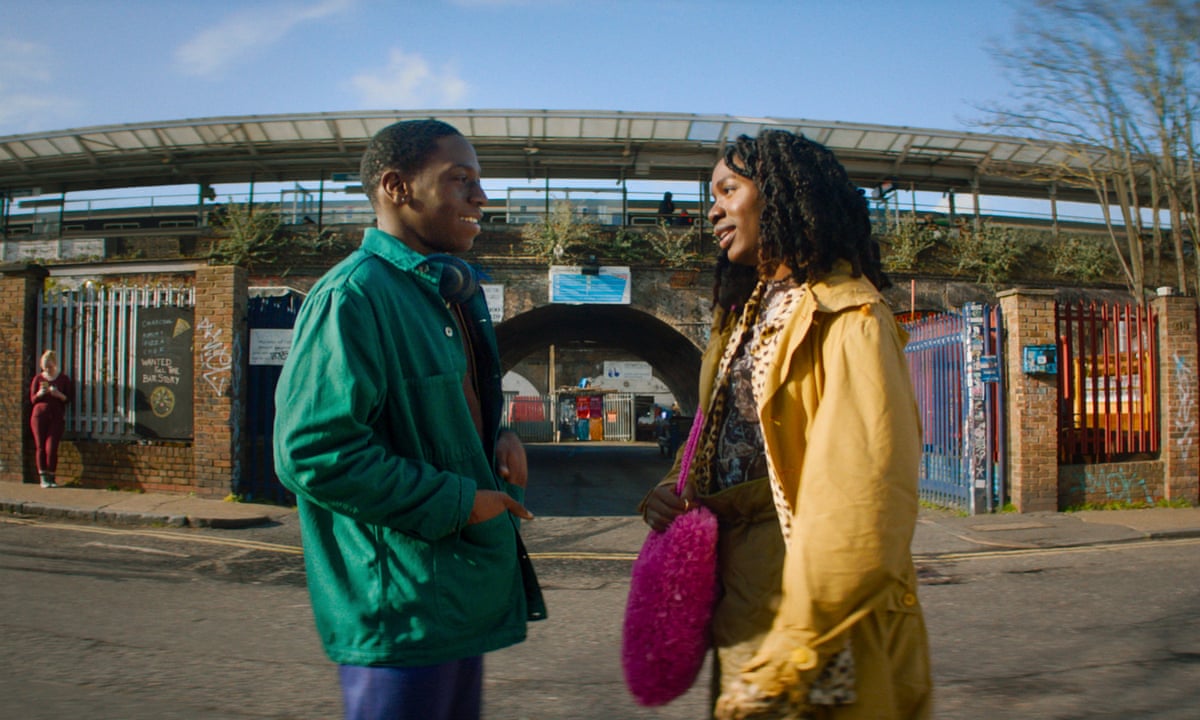
Directed by Raine Allen-Miller and starring David Jonsson and Vivian Oparah, the film follows two young strangers whose paths cross at exactly the right — or perhaps wrong — moment in their lives.
Set largely around Peckham and Brixton, the movie unfolds over one eventful day, turning streets, markets and local businesses into an essential part of the romance rather than simply using London as attractive scenery.
The result is a warm, energetic British rom-com with a personality entirely its own.
Two strangers, one very eventful day
Patricia wasn’t happy with the film’s depiction of Rye Lane MarketCredit: BPM
At the center of the story are Dom, played by Jonsson, and Yas, played by Oparah.
Both are dealing with the emotional aftermath of failed relationships when a chance encounter brings them together. From there, what begins as a conversation gradually becomes an unpredictable journey through South London.
The premise is deliberately simple.
Instead of forcing its characters into an elaborate romantic setup, Rye Lane allows attraction to develop through conversation, shared embarrassment and the strange intimacy that can emerge when two people unexpectedly spend hours together.
Jonsson and Oparah make that simplicity work.
Their chemistry gives the film its momentum, while their contrasting personalities keep the relationship playful rather than overly sentimental.
South London becomes the third lead

Lindon Martin says Peckham has a ‘bad reputation’Credit: BPM
What separates the film from a conventional British romantic comedy is its setting.
Allen-Miller has described the movie as a “love letter to South London,” and that affection is visible throughout.
Peckham isn’t presented merely as the place where the story happens. The neighborhood becomes part of the movie’s identity.
The real Rye Lane, lined with independent family businesses alongside familiar chains, provides the film with a busy and distinctive backdrop. Its markets, streets and residents give the romance a sense of place that a generic studio environment could never reproduce.
That approach is especially significant because Peckham has long carried a reputation that some local residents believe does not reflect the community they know.
Local shopkeeper Lindon Martin, who watched filming take place inside Rye Lane Market, praised the production for showing audiences another side of the neighborhood.
For him, the movie allows viewers to see the “heart of Peckham.”
Not every local agrees with the portrait
But some residents are fuming at the film’s depiction of Rye Lane Market as a ghost townCredit: Alamy
The film’s depiction of Rye Lane has not been universally embraced.
Some residents criticized scenes inside Rye Lane Market, arguing that the movie made the shopping area appear strangely empty compared with the lively place they experience every day.
Stallholder Patricia objected particularly strongly to that contrast, saying the market appeared almost lifeless on screen despite normally being filled with activity.
Her criticism highlights an interesting tension surrounding any movie that turns a real community into a cinematic setting.
Rye Lane wants to celebrate South London, but a filmmaker’s version of a neighborhood will never perfectly match every resident’s experience of living there.
Others were far more enthusiastic.
Martin said filming inside the market lasted a full day and believed the finished movie successfully captured the character of the area.
He also hoped the attention could challenge some of the negative assumptions traditionally associated with Peckham.
Beneath the romance is a changing neighborhood
Some locals hope that the film will dispel Peckham’s ‘bad reputation’Credit: Alamy
There is another reality sitting behind the movie’s colorful vision of South London.
Residents have spoken about changes in Peckham making the neighborhood increasingly expensive for people who have lived there for years.
Martin warned that development can push established residents out if those already living in the community are not included in decisions about its future.
That context gives the film’s celebration of place an added significance.
The streets captured on screen are not simply fashionable backdrops. They belong to communities experiencing genuine change.
Yet Rye Lane’s greatest strength is that it doesn’t allow those larger ideas to suffocate its central romance.
This remains, first and foremost, a romantic comedy.
A British rom-com with its own identity
TRAILER BELOW
Rye Lane succeeds because it understands that audiences don’t necessarily need another enormous reinvention of the genre.
Sometimes all a romantic comedy needs is two appealing leads, sharp chemistry and a world viewers actually want to spend time inside.
Jonsson and Oparah provide the first two. South London provides the third.
The film takes the familiar idea of two wounded people unexpectedly finding one another and gives it fresh energy through its setting, visual personality and affection for the neighborhoods surrounding its characters.
There is something particularly charming about watching an ordinary day gradually become unforgettable.
And perhaps that’s the film’s most romantic idea of all.
Rye Lane doesn’t need grand destinations or extravagant gestures to make its characters’ connection feel special. It finds romance in markets, crowded streets, awkward conversations and the unpredictable energy of South London.
For a neighborhood that some residents say has spent years battling an unfair reputation, becoming the beating heart of one of Britain’s most distinctive modern rom-coms feels rather fitting.