What King Charles’ Intervention Over the Invictus Games Reveals About His Relationship With Prince Harry
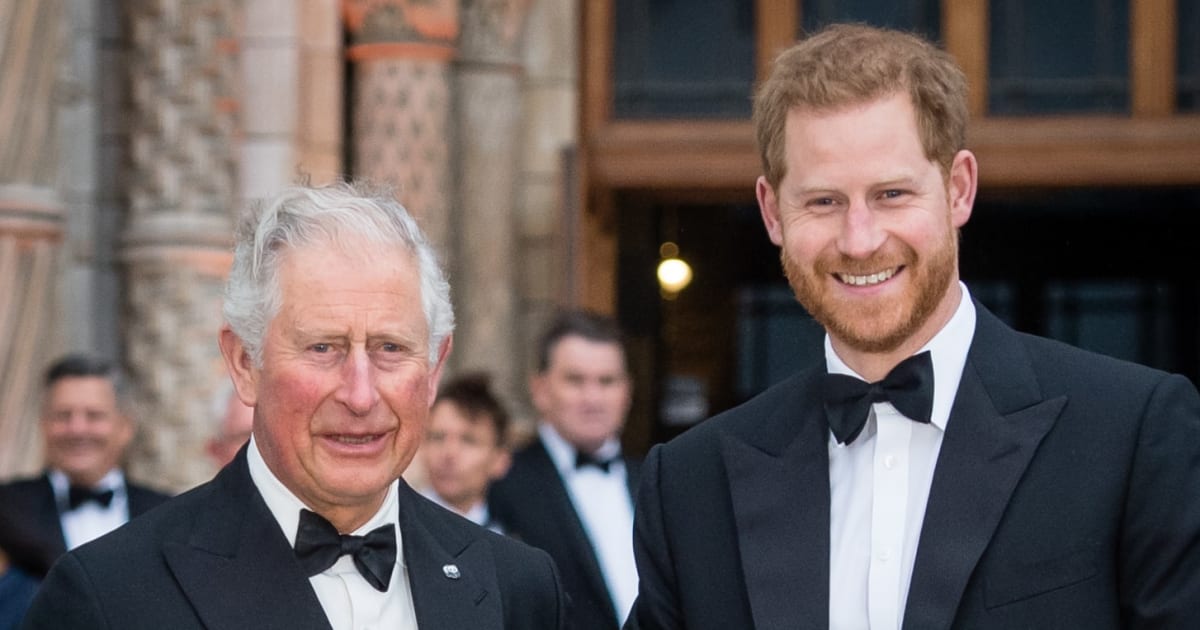
King Charles III has publicly reaffirmed that Prince Harry and Meghan Markle are private citizens who do not represent the monarchy. Yet when Uganda briefly withdrew from the 2027 Invictus Games over concerns about the King’s position, the Palace stepped in to clear up the misunderstanding.
The decision has raised a bigger question: what does Charles’ intervention reveal about the state of his relationship with his younger son?
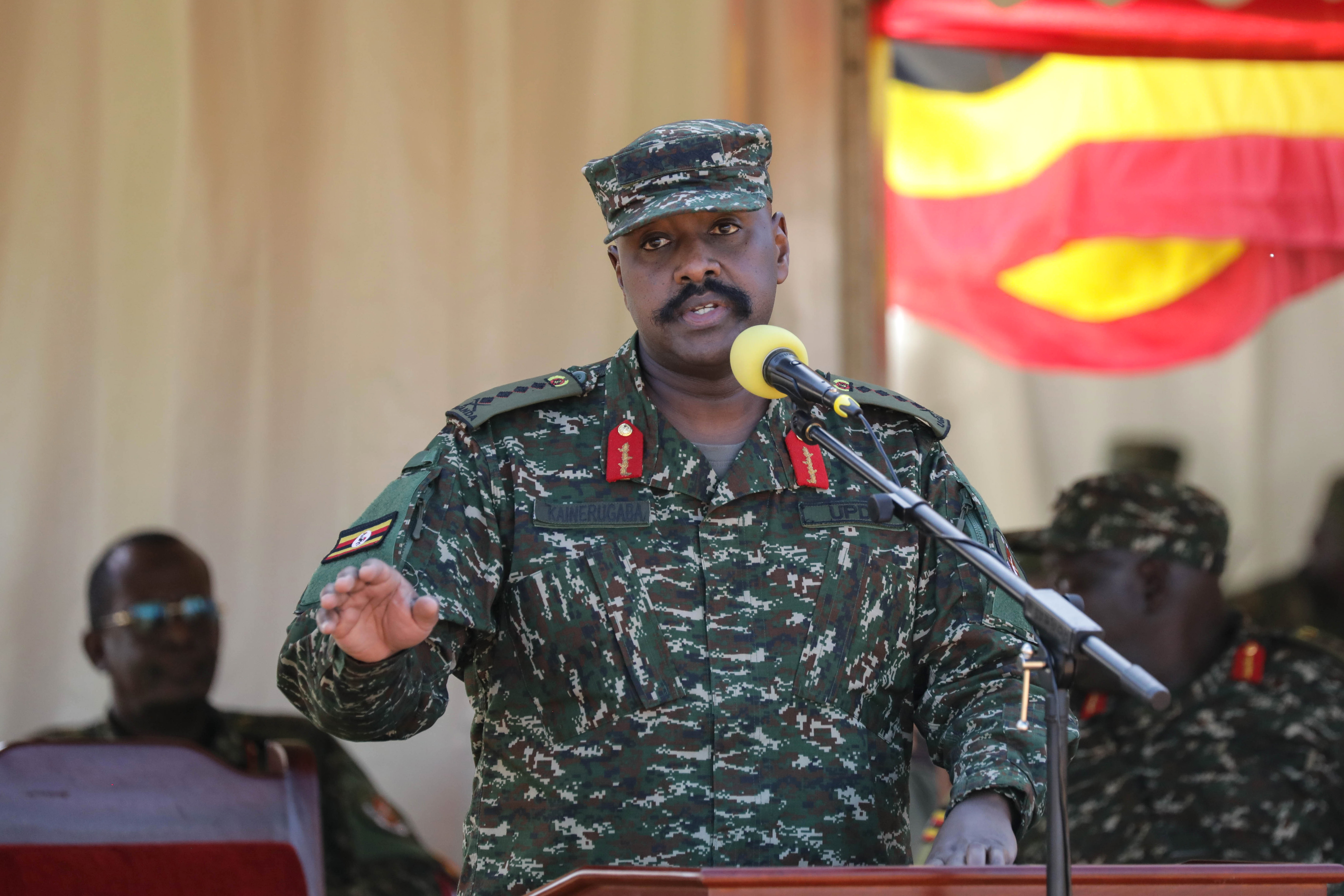
Uganda has now reversed its decision and confirmed that it will participate in the Birmingham 2027 Invictus Games. The reversal followed a conversation between Uganda’s Chief of Defence Forces, General Muhoozi Kainerugaba, and Sir Clive Alderton, the King’s principal private secretary, who clarified that Charles supported Uganda’s involvement.
The episode is significant because it came only days after Buckingham Palace issued guidance reaffirming Harry and Meghan’s status as non-working royals.
How the Uganda Dispute Began
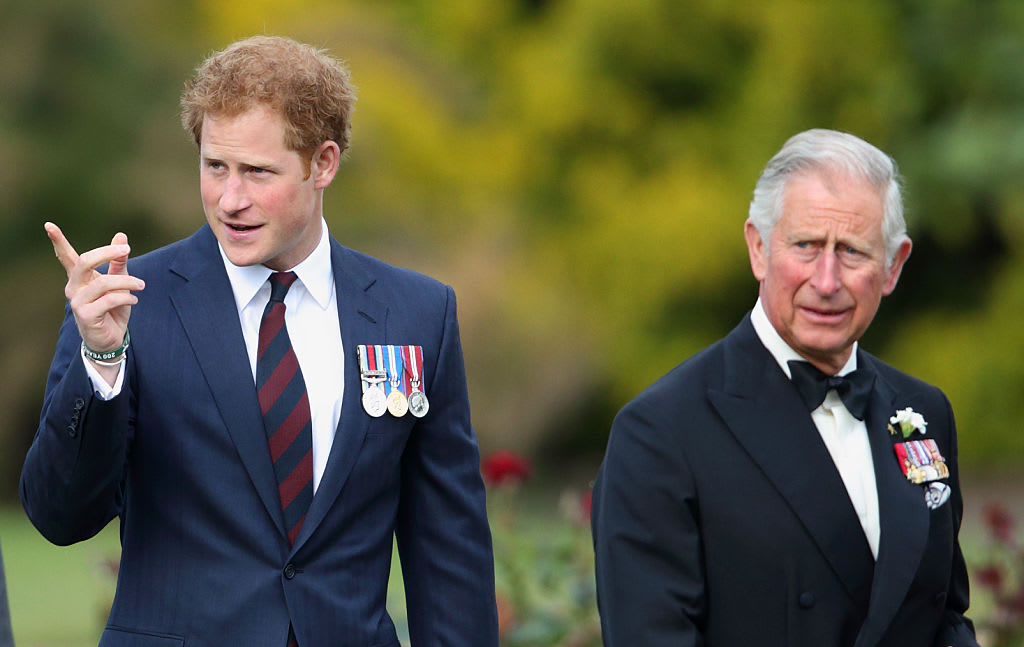
Uganda joined the Invictus community in July 2026 and was confirmed as the 26th nation participating in the movement. The country was also set to make its debut at the Birmingham Games in 2027.
But in September, General Kainerugaba announced that Uganda would withdraw.
His decision followed the Palace’s clarification that Harry and Meghan remain private citizens and are not returning to official royal duties. Kainerugaba said Uganda did not want its participation in an event associated with Harry to be interpreted as opposition to King Charles.
The timing led to widespread speculation that the Palace statement had directly contributed to Uganda’s decision.
At the time, the withdrawal appeared to be a serious setback for Harry and for an event he founded in 2014 for wounded, injured and sick service personnel and veterans.
But the situation changed quickly.
The Palace Stepped In — and Uganda Reversed Course
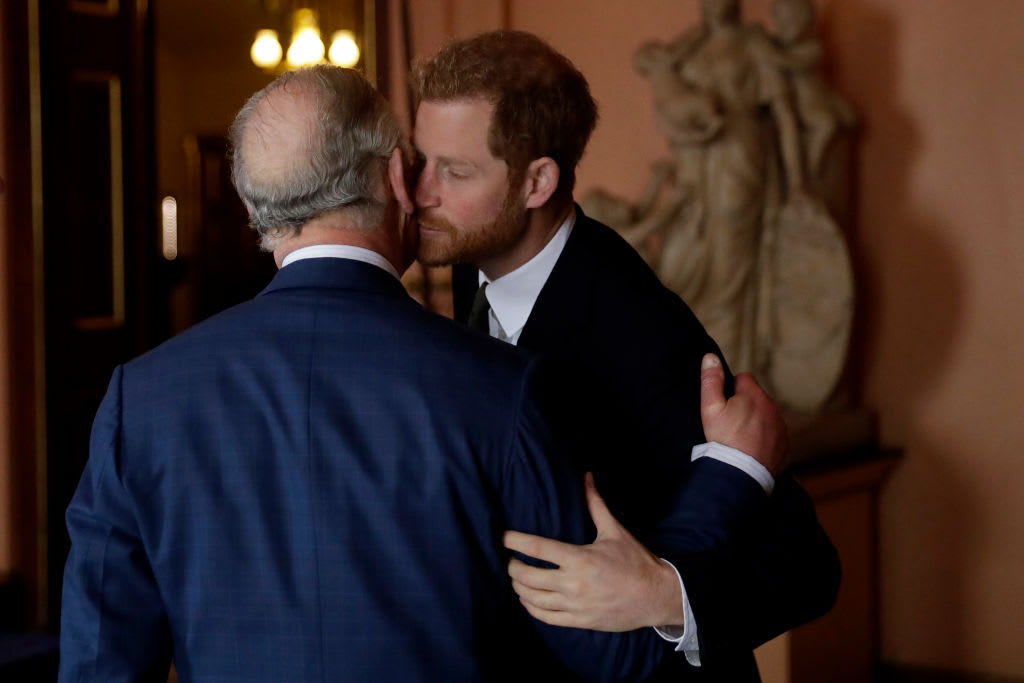
After Uganda announced its withdrawal, reassurance from the King’s side clarified that Charles did not oppose the country taking part in the Invictus Games.
Sir Clive Alderton spoke with General Kainerugaba and made clear that the King supported Uganda’s participation. Following that clarification, Uganda reversed its decision and resumed preparations for Birmingham 2027.
That distinction is important.
The Palace’s earlier message concerned Harry and Meghan’s constitutional and official status. It did not amount to a rejection of the causes or charitable projects Harry continues to support privately.
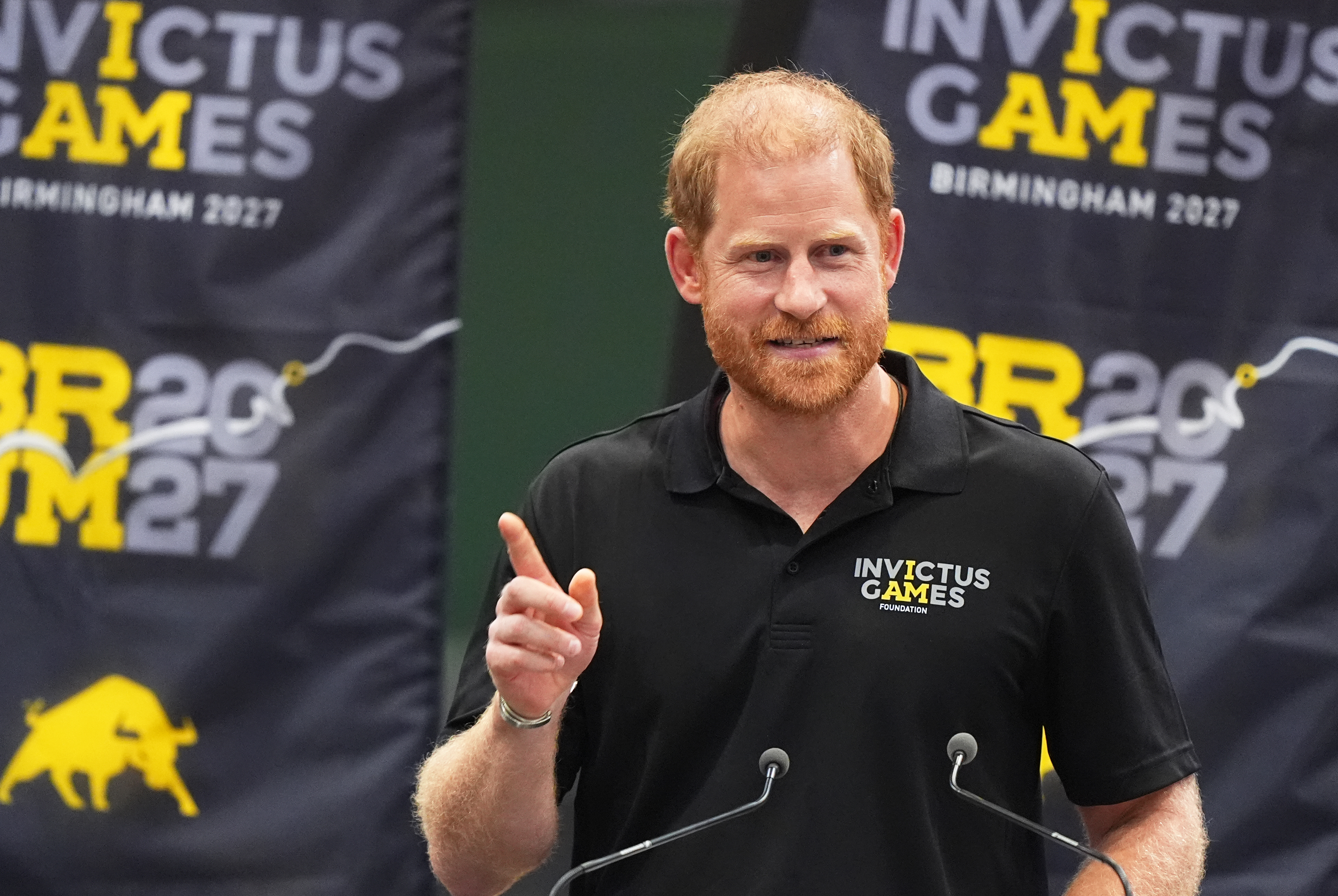
In fact, the Invictus Games Foundation describes the event as a global movement focused on recovery, rehabilitation and reintegration for wounded, injured and sick service personnel and veterans.
The 2027 Games are scheduled to take place in Birmingham from July 10 to July 17, 2027, with competitors taking part in nine core sports alongside new additions including esports, pickleball and laser run.
Why the Intervention Matters for Harry
Had Uganda stayed out, the consequences would have gone beyond Harry personally.
Uganda had only recently joined the Invictus community, and its participation represented another expansion of an international network built around supporting veterans through sport and recovery.
The Invictus Games Foundation welcomed Uganda’s return, confirming that the country remains part of the 2027 event.
For Harry, meanwhile, the episode demonstrated an unusual distinction in his father’s position.
Charles can maintain the Palace’s position that Harry no longer performs official royal duties while still supporting a charitable cause founded by his son.
Those two positions are not necessarily contradictory.
The King is also the head of the British Armed Forces, making support for wounded and injured service personnel an issue that extends beyond Harry’s personal involvement with the Games.
That appears to have been the message behind the Palace’s intervention: support for Invictus does not mean restoring Harry’s royal role.
Could This Signal a Thaw Between Charles and Harry?
This is where the development becomes more personal.
The relationship between Charles and Harry has been strained for years, particularly following Harry and Meghan’s departure as working royals, their move to the United States and the disputes surrounding Harry’s security arrangements.
Harry has previously spoken publicly about difficulties communicating with his father, while his legal battle over police protection placed the King and the government in a complicated position.
Yet there have also been signs of renewed contact.
Recent reports said Harry was encouraged by a meeting with Charles and Queen Camilla at Highgrove and intended to spend more time in Britain. That came before Harry and Meghan’s latest return to the UK.
The Uganda episode does not prove that the family dispute has been resolved.
It does, however, show that Charles was willing to ensure that a misunderstanding surrounding his position did not damage an initiative closely associated with his son.
That is a meaningful distinction.
Charles Is Still Drawing a Clear Line
The King’s intervention should not be interpreted as a restoration of Harry’s royal status.
The Palace has been clear that Harry and Meghan are not working royals, and the recent guidance reaffirmed that position. Uganda’s initial withdrawal demonstrated just how easily that distinction could be misunderstood internationally.
The subsequent clarification helped separate Harry’s private work from the institution of the monarchy.
In other words, Charles appears to be maintaining the boundary while still making room for support.
That may be particularly significant now that Harry has returned to the UK, even on a private basis. His presence has inevitably prompted renewed questions about whether he could eventually resume some form of royal role.
For now, there is no indication that such a return is being considered.
A Small Step, But Not a Full Reconciliation
It would be premature to describe the Uganda reversal as proof that all tensions between Charles and Harry have disappeared.
The wider disagreements surrounding the Sussexes and the Royal Family remain unresolved, and the Palace has not changed its position on Harry and Meghan’s official status.
But the episode does offer a more complicated picture than a simple father-son breakdown.
Charles was prepared to allow no confusion over his support for the Invictus Games to jeopardize Uganda’s participation. His representatives clarified the issue, Uganda returned to the event, and Harry’s flagship veterans’ initiative avoided what could have become a damaging setback.
For Harry, that may be one of the clearest recent indications that his father can disagree with his position within the Royal Family while still supporting something deeply important to him.
Whether that becomes the beginning of a broader reconciliation remains uncertain.
But for a father and son whose relationship has been marked by years of public tension, the message behind this intervention is difficult to ignore: the royal door may remain closed to Harry in an official capacity, but that does not necessarily mean Charles has closed the door on his son personally.