Inside Naming the Dead: Unpacking the DNA Doe Project Investigative Series
If you have navigated past that hyper-charged, sensationalized social media marketing copy (and the platform mix-up, as this six-part documentary series is a National Geographic production streaming on Hulu and Disney+ rather than a Netflix original), you are looking at Naming the Dead.
Unidentified Remains and Genetic Genealogy
Rather than following a traditional, dramatic true-crime narrative about a single high-profile serial killer, the series focuses on the grim reality of America’s systemic cold cases:
-
The Setup: Across the United States, more than 50,000 sets of human remains sit in morgues and evidence lockers completely unidentified—nameless, faceless, and unmourned by families who may have spent decades searching for them.
-
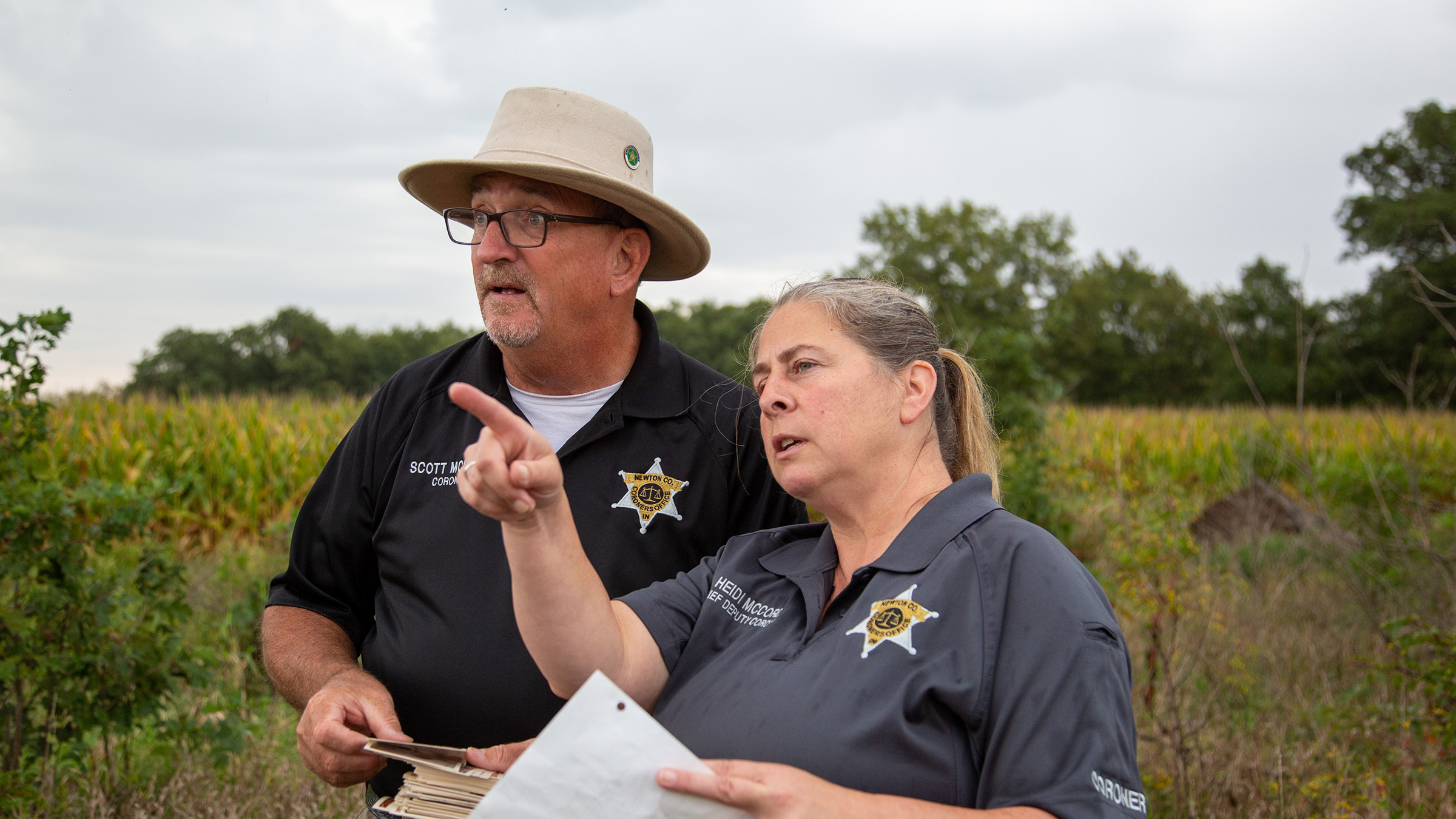
The Investigators: The series tracks the painstaking, ground-level work of the DNA Doe Project, a pioneering volunteer nonprofit that utilizes advanced forensic genealogy, DNA phenotyping, and painstaking historical research to give forgotten victims their names back.
-
The Cases: Spanning six distinct episodes, the series tackles heartbreaking cold cases—from victims of serial killer Larry Eyler to forgotten Jane and John Does discovered in shallow graves, deserts, and railroad cars decades ago.
The Verdict
While internet marketing blurbs are notorious for weaponizing dramatic hyperbole—blending references to Making a Murderer and Mindhunter to trick social media users into thinking a forensic science docuseries is a fictional streaming thriller—Naming the Dead is a deeply respectful, sobering, and fascinating look at real investigative science. If you appreciate ethical true-crime deep-dives focused on victim identification and closure rather than shock value, it is a compelling watch.