Royal Reporting in the Age of Tribalism: When Loyalty Becomes More Important Than Facts
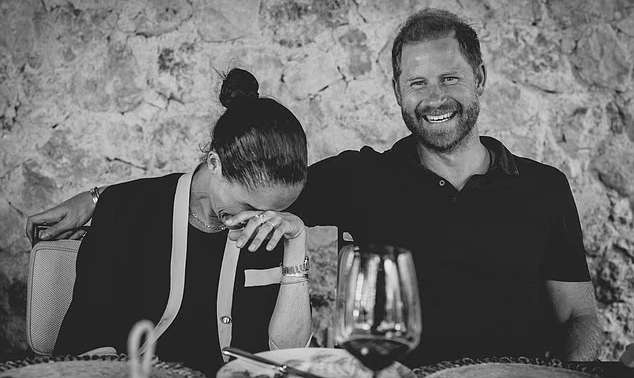
Royal coverage has always attracted passionate opinions. But the rise of social media has changed the way many stories about the Royal Family are consumed — with debates over loyalty increasingly competing with the facts themselves.
Stories involving the Prince and Princess of Wales, as well as the Duke and Duchess of Sussex, are often treated online less like journalism to be examined and more like arguments in which readers are expected to pick a side.
For some, Harry and Meghan can seemingly do no wrong. For others, almost everything they do is viewed negatively. Similar divisions surround William and Catherine.
The result is an increasingly polarised environment where the identity of the person reporting a story, or whether the story supports an existing opinion, can sometimes matter more than the evidence behind it.
Royal fandom has become increasingly tribal
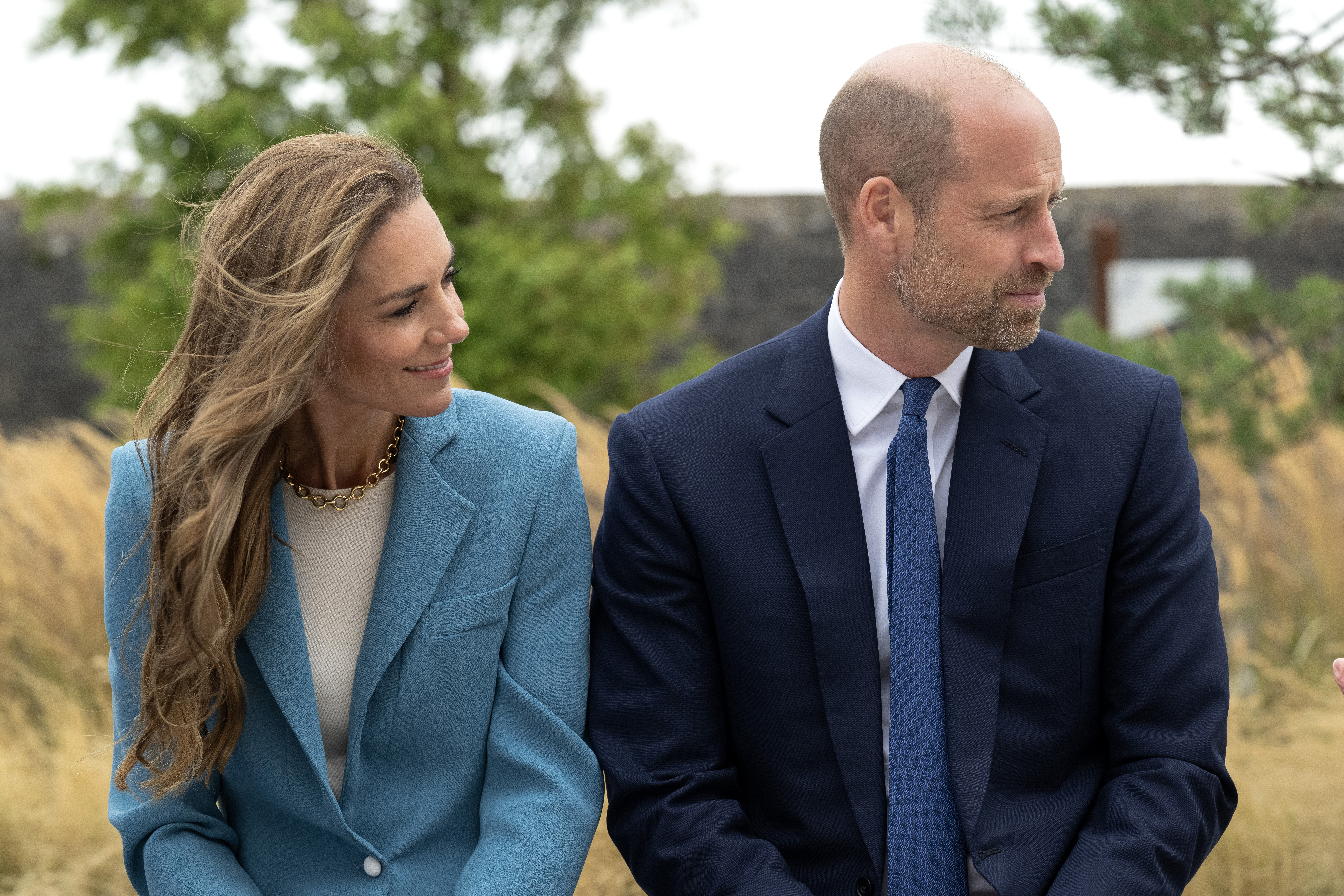
The online community supporting Harry and Meghan is often referred to as the “Sussex Squad.” Many people within that community simply admire the couple, defend them against criticism or support their charitable work.
But the wider online debate has also included personal attacks, disputed claims and, in some cases, misinformation directed at members of the Royal Family, journalists, royal correspondents and other commentators.
That behaviour, however, is not unique to supporters of the Sussexes.
Research published by social-media analytics company Bot Sentinel in 2021 identified what it described as a coordinated network of accounts responsible for a disproportionate amount of abusive material targeting Harry and Meghan.
Meghan has also faced racist and misogynistic abuse online. Such abuse should not be dismissed or minimised simply because legitimate criticism of the Duchess can exist at the same time.
The broader issue is therefore not about deciding which royal “side” behaves worse. It is about recognising how royal fandom itself has become increasingly tribal.
Once allegiance takes priority, evidence can become secondary.
That makes sourcing particularly important.
Anonymous sources require careful scrutiny
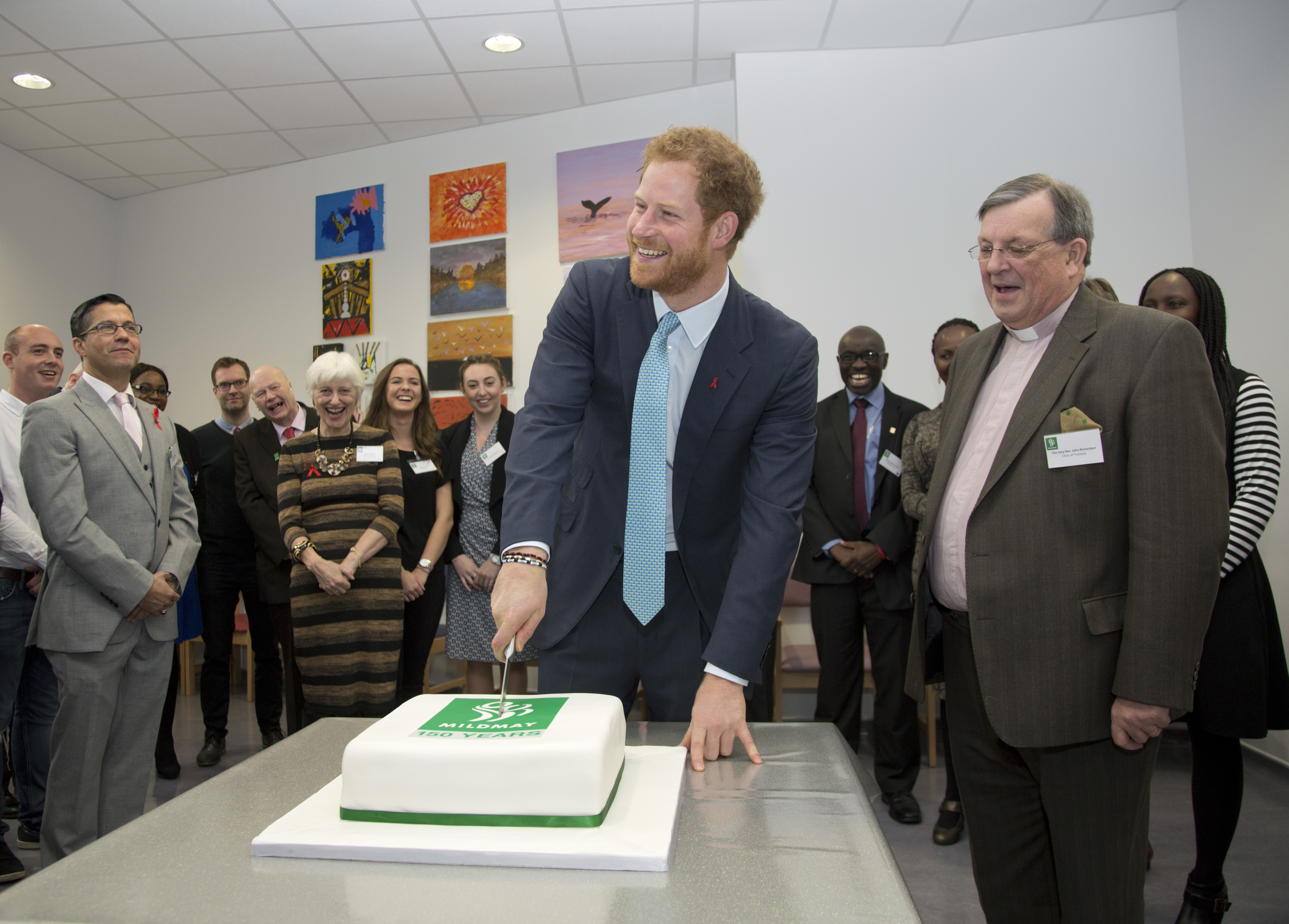
Royal journalism frequently relies on unnamed aides, friends, associates and people familiar with conversations within or around the institution.
Such sources can provide accurate information, and subsequent events may sometimes support what was originally reported. But anonymous sourcing can also produce conflicting accounts of the same incident.
That is why readers should consider some basic questions before accepting any royal story at face value.
Who originally reported the information? Have other reputable organisations independently confirmed it? Is an interpretation being presented as fact? And does the account fit with previously documented actions and established information?
These questions are not about supporting or opposing any particular member of the Royal Family.
They are basic media literacy.
Why Harry and Meghan’s media history matters

The scepticism surrounding some royal reporting also has a wider history.
Harry and Meghan have repeatedly criticised Britain’s tabloid press and aspects of the Royal Rota system. When they announced changes to their media arrangements in 2020, they said they wanted to move away from the traditional Royal Rota model, expand access to specialist and international media and communicate more directly with the public.
Harry subsequently pursued legal action against several newspapers, while the couple continued to raise concerns about the British media.
That history helps explain why some supporters of the Sussexes may instinctively distrust reports attributed to unnamed “royal sources.”
But scepticism and automatic rejection are not the same thing.
A report does not become false simply because it appears in a publication someone dislikes. Equally, a favourable story about Harry and Meghan does not become true merely because it comes from a sympathetic source.
The same standard should apply in both directions.
The Royal Family is not simply another celebrity story
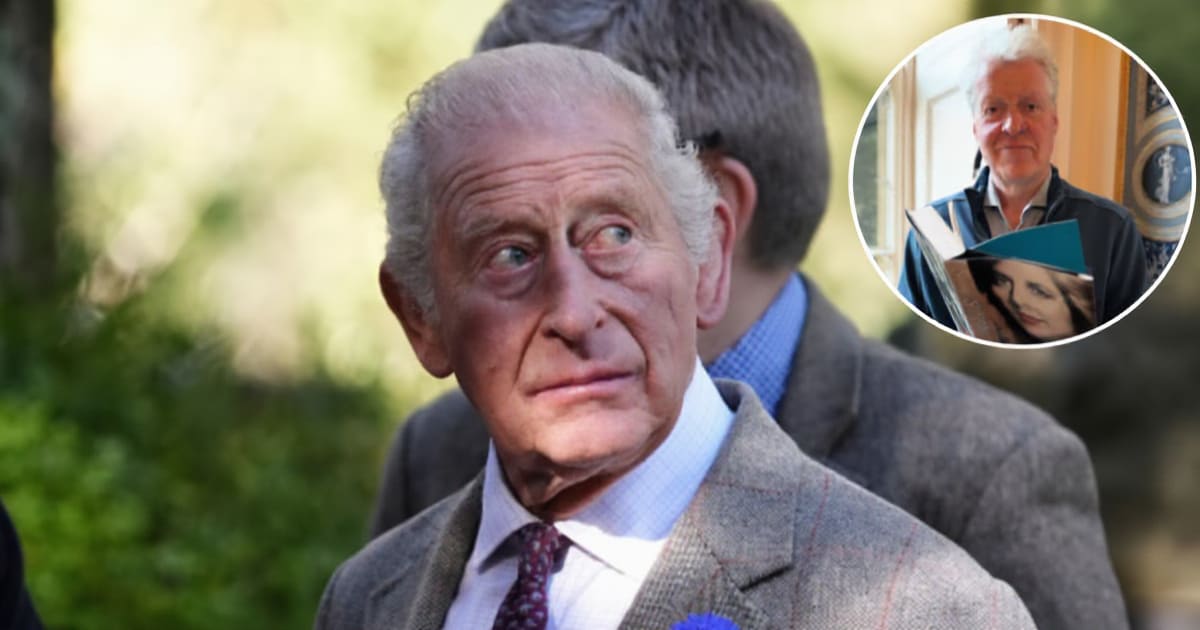
Another source of confusion is the difference between royalty and celebrity.
A Hollywood actor can promote a film, launch a business, conduct interviews and shape their public image primarily around their own career.
Working members of the Royal Family operate within a constitutional institution.
The King is Britain’s constitutional head of state, while working royals undertake official engagements on behalf of the Crown. Their activities can involve government departments, diplomatic considerations, charities, patronages, security arrangements and established systems of media access.
That creates a different context for reporting their activities.
Harry and Meghan occupy a more unusual position.
They remain members of the Royal Family by birth and marriage, and Harry remains the King’s son, but they are no longer working royals and do not represent the King in an official capacity.
Their charitable, commercial and media activities are undertaken as individuals rather than as representatives of the monarchy.
That distinction is important when assessing stories about them.
Context can change the meaning of a story
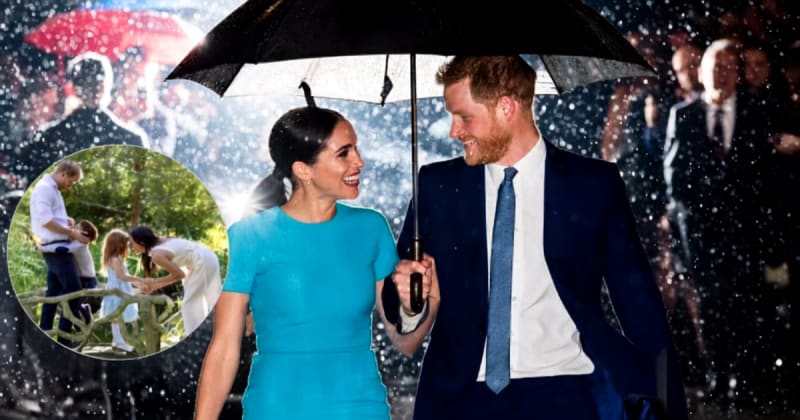
One example is Prince William’s Homewards programme.
Some critics online have portrayed William as promising to personally “end homelessness” and have subsequently criticised him for failing to achieve that goal.
But that description does not reflect what Homewards actually set out to do.
Launched in 2023, Homewards is a five-year programme involving six locations across the UK. Its stated aim is to demonstrate how homelessness can be made “rare, brief and unrepeated.” The programme works with local partners to develop and test approaches to preventing homelessness, with the intention that successful models can be shared more widely.
The Royal Foundation says the programme uses William’s platform, partnerships and funding to support locally led work. By 2026, Homewards had reached the midpoint of its five-year programme, with the Foundation reporting early progress across its six locations.
The distinction matters because criticism based on an inaccurate description of the programme can obscure what Homewards actually promises.
Royal finances also need context
Similar problems arise in arguments about royal finances.
Harry and Meghan are no longer funded as working royals. At the same time, describing William and Catherine as receiving a personal taxpayer-funded salary simply for being royal can also create a misleading impression.
The Duchy of Cornwall is a private estate that provides the heir to the throne with an income. Official information states that the Prince of Wales receives the annual net surplus and uses a significant proportion of that income to support public and charitable work. He pays income tax on his taxable income from the Duchy.
The Duchy arrangement is distinct from the Sovereign Grant, which supports certain official expenditure of the monarchy.
Understanding those differences is essential when discussing how individual members of the Royal Family are funded.
Scrutiny of Harry and Meghan has not disappeared
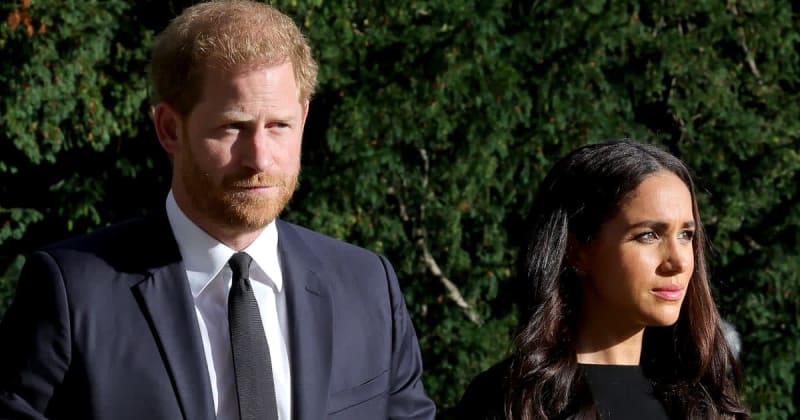
The same principle applies to Harry and Meghan.
Some supporters of the wider Royal Family question why the Sussexes remain prominent public figures despite no longer being working royals. Yet their continued public profile means that their activities can still attract legitimate media interest.
Harry remains the King’s son, while both he and Meghan continue to undertake charitable, media and commercial work as individuals.
That does not mean every story about them is justified, nor does it mean every criticism is accurate.
It simply means that their decision to step back from official royal duties did not remove them entirely from public-interest reporting.
Criticism and misinformation are not the same thing

There is an important distinction between legitimate scrutiny and abuse or misinformation.
False or misleading claims about William and Catherine can become accepted as fact within some online communities, just as inaccurate narratives about Harry and Meghan can spread among their critics.
Neither should be treated as reliable simply because it reinforces a preferred view of the Royal Family.
Royal journalism inevitably involves disputed accounts, anonymous sources and competing interpretations. Readers do not have to support any particular royal to assess those stories critically.
The essential test is whether the information is properly sourced, whether competing claims are clearly identified, whether context has been included and whether opinion has been separated from established fact.
In an increasingly divided online environment, those standards matter more — not less.
When loyalty becomes the starting point for deciding what is true, journalism risks becoming another form of fandom. The facts should come first, regardless of which side of the royal divide they appear to support.